
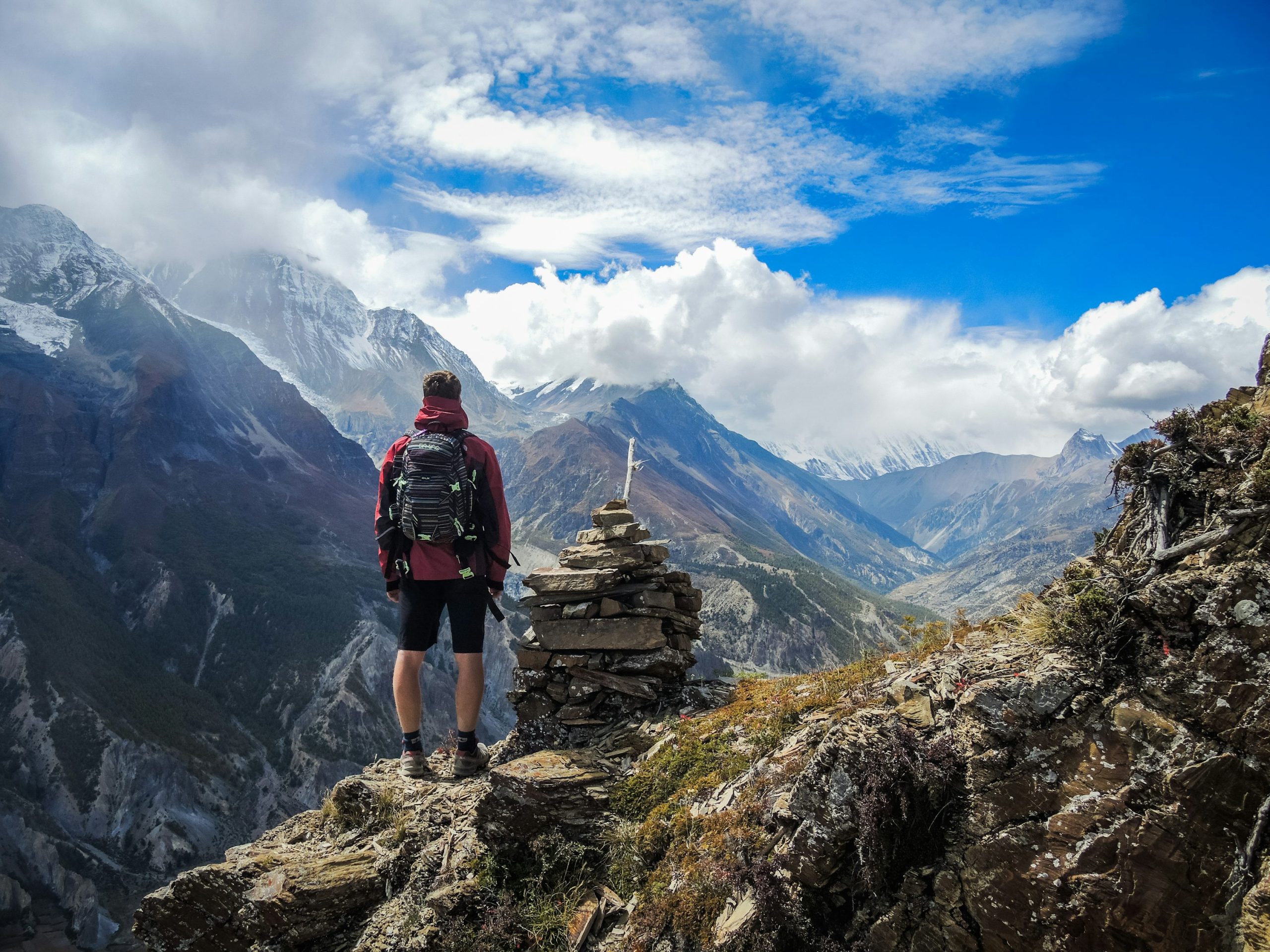
Adventure travel photography is about more than beautiful scenery—it’s about capturing movement, emotion, and the spirit of exploration. From rugged mountains to remote deserts, the right approach can turn fleeting moments into powerful visual stories. These practical tips will help you create compelling images while staying adaptable in unpredictable environments.
Plan for the Story, Not Just the Shot
Great adventure photos tell a story. Before you pick up your camera, think about what you want your images to communicate.
Focus on capturing:
- The journey, not only the destination
- Preparation, effort, and human interaction with nature
- Environmental details that set the scene
- A mix of wide shots, close-ups, and action frames
Story-driven photography feels authentic and emotionally engaging.
Travel Light but Smart
Adventure travel often involves long hikes, extreme weather, or limited access to power. Carrying the right gear—without overloading yourself—is essential.
Pack essentials such as:
- A weather-sealed camera body
- One versatile lens (wide-to-mid zoom works well)
- Extra batteries and memory cards
- Lightweight tripod or compact stabilizer
Less gear means greater mobility and faster reaction times.
Master Natural Light in Unpredictable Conditions
Light changes quickly outdoors, especially in mountains, forests, and deserts. Learning to adapt makes a major difference.
Key lighting tips:
- Shoot during golden hour for softer shadows and warmer tones
- Use clouds as natural diffusers
- Position subjects with the sun at an angle for depth
- Avoid harsh midday light unless shooting silhouettes or high-contrast scenes
Understanding light helps you work with nature rather than against it.
Capture Motion and Energy
Adventure photography thrives on movement. Whether it’s climbing, kayaking, or wildlife encounters, motion adds intensity.
Techniques to try:
- Use fast shutter speeds to freeze action
- Experiment with slower shutters for motion blur
- Anticipate movement rather than reacting late
- Shoot in burst mode during fast-paced activities
Dynamic images pull viewers into the moment.
Include People for Scale and Emotion
Landscapes are powerful, but people add meaning. Including a human element provides scale and emotional connection.
Ways to do this effectively:
- Place subjects within vast environments
- Capture candid moments of effort or joy
- Show interaction between people and surroundings
- Avoid overly posed shots during real activities
These images feel relatable and immersive.
Protect Your Gear in Harsh Environments
Adventure destinations are tough on equipment. Dust, water, cold, and heat can quickly cause damage.
Protective measures include:
- Dry bags or rain covers
- Lens cloths and cleaning tools
- Silica gel packs for humidity
- Avoiding lens changes in extreme conditions
Well-protected gear performs better and lasts longer.
Stay Safe and Respect the Environment
No photograph is worth risking your safety or harming nature. Responsible photography ensures long-term access to wild places.
Keep in mind:
- Stay aware of your surroundings at all times
- Follow local rules and guides
- Avoid disturbing wildlife for a shot
- Practice “leave no trace” principles
Ethical photography builds trust and preserves adventure destinations.
Edit With a Light Touch
Post-processing should enhance reality, not replace it. Adventure photos are most powerful when they feel genuine.
Editing tips:
- Adjust exposure and contrast subtly
- Maintain natural colors and textures
- Avoid excessive filters or oversharpening
- Keep a consistent style across your images
Authenticity resonates more than perfection.
FAQs About Adventure Travel Photography
What camera is best for adventure travel photography?
A lightweight, weather-sealed mirrorless or DSLR camera with strong low-light performance is ideal for most adventures.
Do I need expensive gear to take great adventure photos?
No. Strong composition, timing, and storytelling matter far more than high-end equipment.
How can I photograph adventures safely while participating?
Use chest mounts, action cameras, or shoot during planned pauses to avoid distraction during high-risk activities.
What’s the best lens for adventure travel?
A versatile zoom lens, such as a wide-to-standard range, covers landscapes, action, and portraits efficiently.
How do I keep my photos sharp while hiking or moving?
Use faster shutter speeds, image stabilization, and pause briefly before shooting to reduce camera shake.
Should I shoot in RAW or JPEG while traveling?
RAW offers more editing flexibility, but JPEG saves space. Many photographers use RAW for key moments and JPEG for casual shots.
How can I improve composition in outdoor settings?
Use leading lines, natural frames, rule of thirds, and foreground elements to guide the viewer’s eye.
Adventure travel photography is a balance of preparation, creativity, and adaptability. By focusing on storytelling, respecting your environment, and refining your technique, you’ll return home with images that truly reflect the thrill of the journey.
