
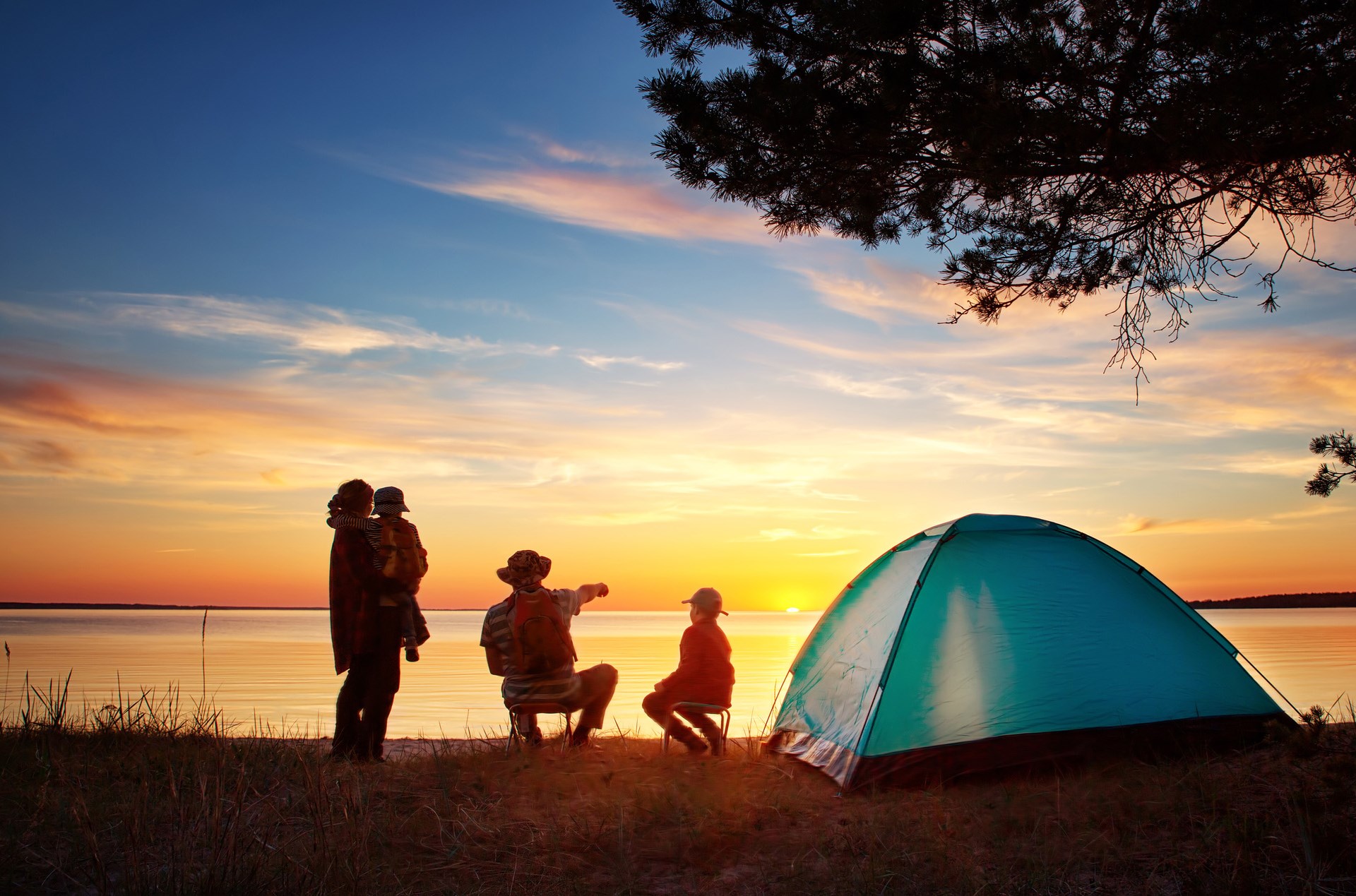
In an age of relentless digital distraction and urban sprawl, the simple act of pitching a tent beneath an open sky has become a powerful form of resistance. Camping, once seen as a basic recreational pastime, has evolved into a meaningful ritual for millions seeking refuge from the static buzz of modern life. It is more than just a weekend getaway; it is a quiet declaration of independence, a return to elemental living, and a profound reconnection with the natural world.
At its heart, camping is an embrace of simplicity. It demands little—just a shelter, a fire, some sustenance, and a willingness to let go of convenience. The beauty lies in this minimalism. Removed from the artificial urgency of emails, traffic, and screens, the camper finds clarity. Meals become rituals, time slows down, and the rhythms of day and night reassert themselves with quiet authority. The rising sun no longer signals a commute, but the promise of dew-covered trails and fresh morning air. Dusk, when shadows lengthen and the sky turns lavender, becomes a moment of reverence rather than a prelude to a late-night meeting or binge-watching session.
But camping is not solely about escape. It is, fundamentally, about presence. In the woods or by a lakeshore, the senses awaken. The rustle of leaves underfoot, the chorus of cicadas at twilight, the tang of woodsmoke on a crisp evening—each element becomes heightened, woven into a tapestry of experience that’s often drowned out in everyday life. One learns quickly that nature offers no shortcuts and demands respect. Weather changes without warning. A forgotten piece of gear can mean discomfort or improvisation. Yet within these moments of challenge lies a quiet lesson in resilience and adaptability.
Socially, camping fosters a kind of intimacy rarely found in more structured settings. Families reconnect without the filter of screens. Children, unburdened by scheduled activities, rediscover the joys of imagination, turning sticks into swords and stones into treasures. Friends gather around fires not to scroll but to talk, laugh, and reminisce. In the flickering firelight, barriers fall away, and conversations stretch into the night, unhurried and unguarded.
Yet for all its romanticism, camping also confronts us with our vulnerability. Nature is majestic, but it is also indifferent. A sudden storm can flatten tents. Unseen roots can trip careless feet. Coyotes howl in the distance, and the dark is absolute, not softened by city lights. These moments remind us that we are visitors, not rulers. And in acknowledging that smallness, many find a strange sense of peace. The wild does not care who you are or what you’ve accomplished—it welcomes or repels without prejudice. There’s an unspoken humility in that exchange.
The diversity of camping experiences also speaks to its universal appeal. For some, camping means a rugged backcountry expedition, days from the nearest road. For others, it’s a quiet weekend in a national park with running water and a nearby general store. Still others seek out luxurious glamping setups, complete with beds, electricity, and catered meals. While purists may debate the merits of each, the core remains the same: a desire to step outside the routine, to sleep under stars, and to wake with the sun. Whether under a canvas canopy or in the back of a camper van, the experience offers the same invitation—to slow down, to listen, and to breathe.
Environmental awareness, too, plays an increasingly central role in modern camping. Responsible campers recognize their impact and strive to minimize it. Leave No Trace principles have become a guiding ethos, emphasizing respect for nature and other visitors. From packing out all trash to choosing established campsites and preserving local flora and fauna, the conscientious camper becomes a steward as well as an explorer. In doing so, they help ensure that these wild places remain wild for future generations.
Moreover, the health benefits of camping are as tangible as they are profound. Studies consistently link time in nature to reduced stress, improved mood, and enhanced mental clarity. The physical activity—hiking, paddling, climbing—not only boosts cardiovascular health but also reinforces a connection to the body that many lose in sedentary office environments. Even sleep improves. Free from artificial light and screens, campers often find their circadian rhythms resetting naturally, resulting in deeper and more restorative rest.
In the end, camping offers more than just scenic views and campfire meals. It provides a crucible for introspection, a canvas for connection, and a haven for healing. It asks us to relinquish control, to accept unpredictability, and to find beauty in the unvarnished. And perhaps most importantly, it reminds us of our place in the grander scheme—not as conquerors of nature, but as part of it.
So whether one ventures deep into remote wilderness or sets up a tent in a nearby state park, the act of camping holds the same quiet promise: a chance to return to ourselves, to each other, and to a world that, despite its wildness, feels a little more like home.
