
4
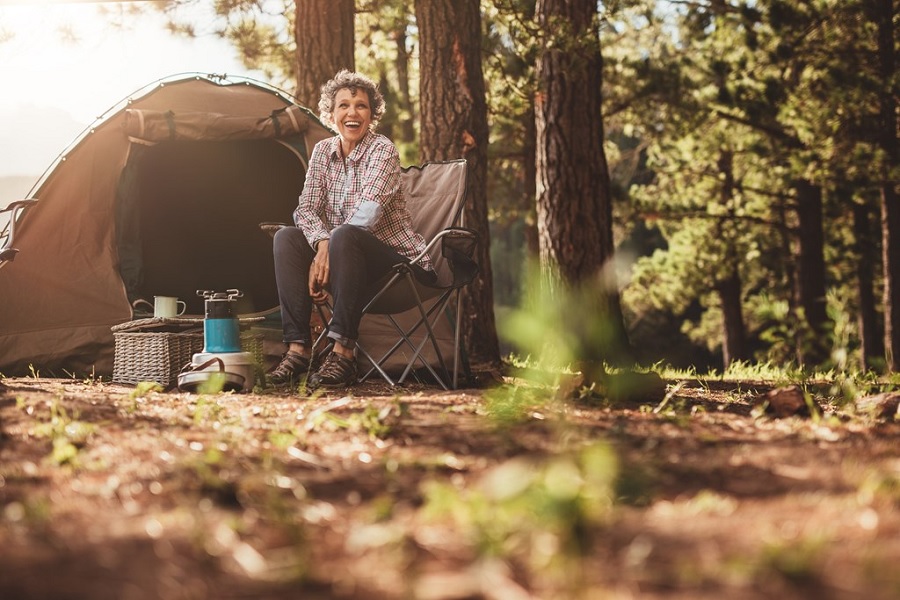
The modern digital landscape is saturated with romanticized images of solo camping. We are constantly fed visuals of a lone traveler drinking artisanal coffee on a misty morning, a perfectly pitched tent perched on the edge of a dramatic cliff, and a crackling campfire serving as the only light source against a vast canopy of stars. While these moments of profound tranquility certainly exist, treating them as the baseline expectation for your very first solo trip is a dangerous miscalculation.
When you remove the safety net of a group, camping transitions from a leisurely social activity into an exercise in absolute self-reliance. There is no one to help you parse the instructions of a new tent in the fading light, no one to share the physical labor of filtering water, and no one to distract you when the woods grow unnervingly quiet at midnight. Succeeding at solo camping requires fundamentally rewiring how you plan, pack, and process your environment. By understanding the logistical realities and the psychological friction of being completely alone, you can design a first trip that builds genuine confidence rather than overwhelming anxiety.
Redefining the Destination and Lowering the Stakes
The most common mistake beginners make is confusing a solo camping trip with a deep wilderness survival expedition. The primary goal of your first solo outing is not to test your physical limits against a hostile environment. The goal is simply to prove to yourself that you can manage a camp and sleep through the night alone. To achieve this, you must aggressively lower the geographical stakes.
The One-Hour Safety Buffer
For your maiden voyage, draw a circle on a map exactly one hour away from your front door. Choosing a location close to home eliminates the exhaustion of a long drive and ensures that you are operating in a climate and terrain that you fundamentally understand. If a sudden, unpredicted storm rolls in, or if you realize you left a critical piece of medication on your kitchen counter, a one-hour drive is a minor inconvenience. A four-hour drive deep into a remote mountain range transforms that same forgotten item into a crisis.
Embracing the Frontcountry
Veteran backpackers often speak dismissively of car camping, but for a first-time solo camper, the frontcountry is your greatest asset. Book a reserved site in a well-managed state or national park where you can park your vehicle directly adjacent to your tent. Your car serves as a massive, secure, waterproof locker. It is an impenetrable barrier against wildlife, a reliable source of power to charge a dead phone, and an immediate, climate-controlled shelter if your tent pole snaps in high winds. You can graduate to backcountry trekking later; for now, leverage the security of your vehicle.
Navigating the Psychological Weight of Isolation
The most jarring aspect of solo camping is rarely physical; it is almost entirely psychological. When you are with a group, the constant hum of conversation masks the ambient noises of the forest. When you are alone, the acoustic environment shifts dramatically. Your brain, hardwired by thousands of years of evolution to fear the dark, will begin working against you.
The Acoustic Reality of the Woods
As soon as the sun sets, the silence of the woods becomes deafening, and every snapping twig sounds like a massive predator. A raccoon foraging in the dry leaves fifty yards away will sound remarkably like a bear circling your tent. This auditory hyper-vigilance is completely normal, but it will ruin your sleep if you do not actively manage it.
To combat this, you must practice cognitive grounding. When your imagination begins to spiral, force yourself to logically identify the noise based on its weight and cadence. Furthermore, bring intentional distractions. Download several hours of audiobooks or podcasts directly to your phone. Listening to a calm, human voice through a single earbud provides an immense psychological anchor, effectively drowning out the rustling leaves and giving your hyperactive mind something structured to focus on until you fall asleep.
Operational Independence: Doing the Work of Three People
In a group setting, camp chores are naturally delegated. One person pitches the tent, another gathers firewood, and a third begins prepping the evening meal. When you camp alone, you inherit the entire operational workload. If you mismanage your time, you will find yourself trying to boil water and stake down a rainfly simultaneously in total darkness.
The Daylight Mandate
To mitigate this workload, you must institute a strict daylight mandate. You should arrive at your campsite with a minimum of three hours of usable daylight remaining. Upon arrival, do not sit down. The immediate priority is establishing your shelter. Pitch the tent, secure the stakes, inflate your sleeping pad, and unroll your sleeping bag. Your bed must be entirely ready for occupancy before the sun dips below the horizon. Once the shelter is secured, immediately organize your food and cooking equipment. By front-loading the physical labor while you still have sunlight, you buy yourself a relaxed, stress-free evening.
Rethinking the Campfire
A campfire is a wonderful morale booster, but it is an incredibly inefficient tool for a solo camper. Gathering wood, building a sustainable coal bed, and safely extinguishing the ashes requires a massive investment of time and energy. More importantly, attempting to cook a meal over an unpredictable open flame when you are hungry and exhausted is a recipe for frustration.
For your first solo trip, treat the campfire as secondary entertainment, not vital infrastructure. Rely entirely on a pressurized canister stove, such as a Jetboil or an MSR PocketRocket, for your primary cooking and water boiling. These stoves require zero effort to ignite, boil water in under three minutes, and can be turned off instantly, allowing you to secure your camp and get into your tent the moment you feel tired.
Master the Logistics of Redundancy
When you are camping with friends, forgetting your headlamp is annoying, but you can simply borrow one from a tentmate. When you are alone, forgetting a critical piece of gear creates an immediate operational failure. To survive solo, you must adopt the military philosophy of redundancy: two is one, and one is none.
This rule applies strictly to the absolute necessities of shelter, fire, and illumination. You must carry a primary headlamp and a secondary, fully charged backup flashlight. If you plan to rely on a butane lighter to ignite your stove, you must have a secondary lighter or a waterproof ferrocerium rod secured in a completely different pocket. You must carry a physical, paper topographical map of the park, even if you have downloaded offline maps to your smartphone. Redundancy is the ultimate insurance policy against the inevitable moment when a piece of technology breaks or a crucial item is misplaced in the dark.
The Non-Negotiable Rules of Communication
The ultimate safety mechanism for any solo traveler is a network of people who know exactly where they are. Never leave for a solo camping trip without filing an ironclad float plan with at least two reliable contacts.
Your float plan must be specific. Do not simply say you are going to a specific state park. Provide your exact campsite number, the license plate of the vehicle you are driving, and the precise time you expect to return to a cellular coverage area. Set a hard check-in time, such as Sunday at noon. Ensure your contacts understand that if they have not received a text message or phone call by 1:00 PM, they are authorized to contact the park rangers or local authorities. This rigid protocol provides immense peace of mind, allowing you to relax knowing that if a medical emergency occurs and you are immobilized, help will automatically be dispatched on a predetermined timeline.
The Unspoken Value of the Bailout Plan
The final, and perhaps most important, piece of advice for a beginner is to actively murder your own ego. A solo camping trip is an experiment in personal endurance, not a prison sentence.
Before you leave home, give yourself explicit permission to execute a bailout plan. If you wake up at two in the morning, your tent is leaking, the wind is howling, and your anxiety is overwhelming your ability to cope, you are allowed to throw your sleeping bag in the trunk, lock the doors, and drive home. There is no audience judging your performance. Knowing that you have the ultimate freedom to pull the ripcord and leave at a moment’s notice paradoxically removes a massive amount of pressure, making it far more likely that you will actually stay and enjoy the morning sunrise.
Solo camping is an act of deliberate vulnerability. It strips away the constant stimulation of modern life and forces you to sit quietly with your own thoughts and your own capabilities. It is challenging, occasionally uncomfortable, and entirely deeply rewarding. By respecting the psychological shift, front-loading your operational chores, building in strict redundancies, and leaving your ego at the trailhead, you lay the foundation for a lifetime of confident, independent exploration.
